


Why the San Fernando Valley is a Recovery Hub
Encino sober living homes provide a structured, substance-free environment where people in recovery move from rehab back into the rhythm of daily life. It is a transition that works best when there is actual support nearby. In Los Angeles County, overdose deaths jumped by 70% over a five-year span. That is a heavy statistic, but it explains why the recovery infrastructure in the San Fernando Valley has become so robust. Encino offers a quieter, residential feel compared to the chaos of central LA. You are close to outpatient programs and job opportunities, but you also have access to places like Los Encinos State Historic Park where you can actually hear yourself think. I have spent years working with these facilities and helping people build their comebacks after addiction. I have seen that the programs which actually stick are the ones that prioritize community over just providing a bed.
What to Expect from Encino Sober Living Homes
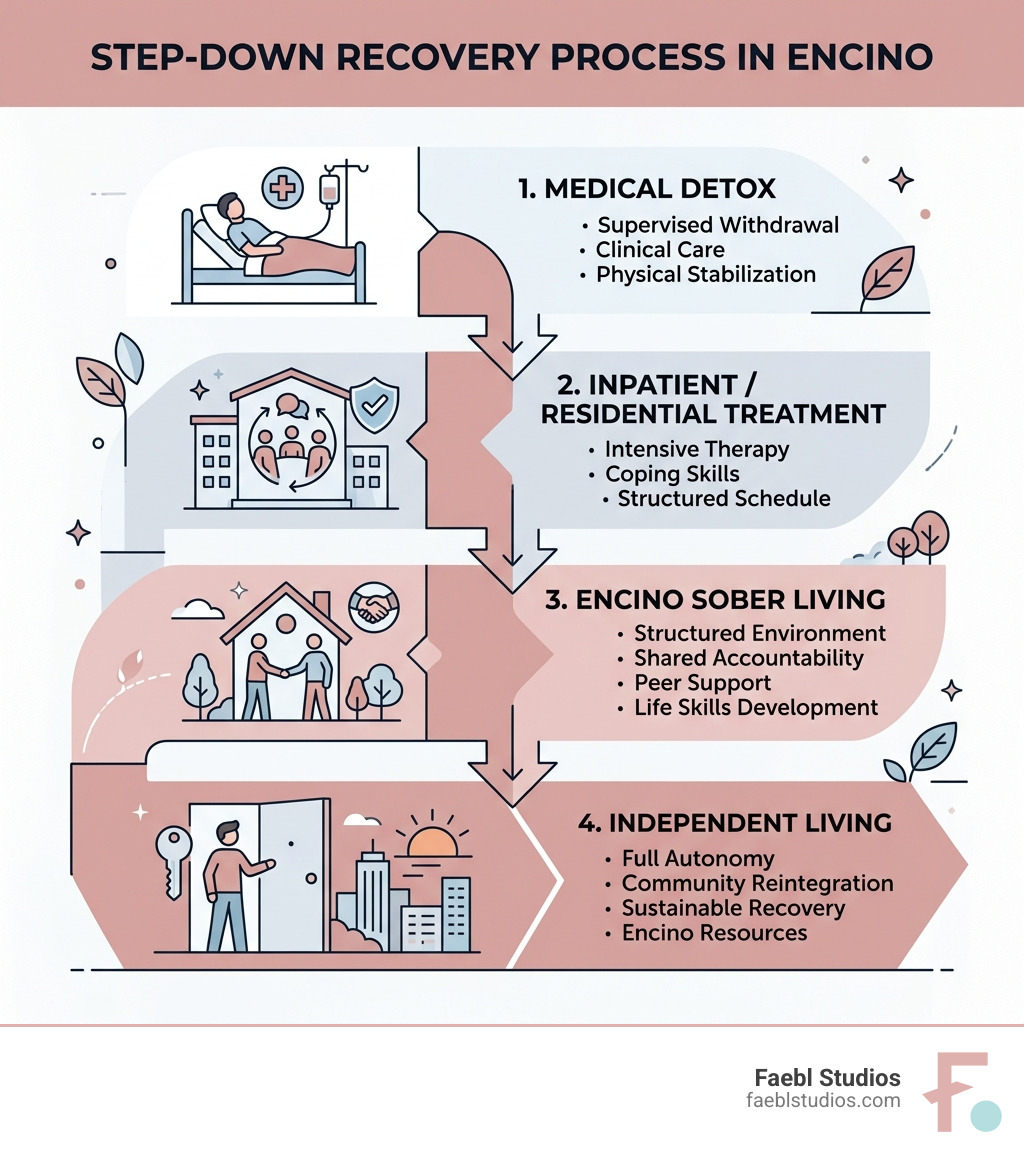
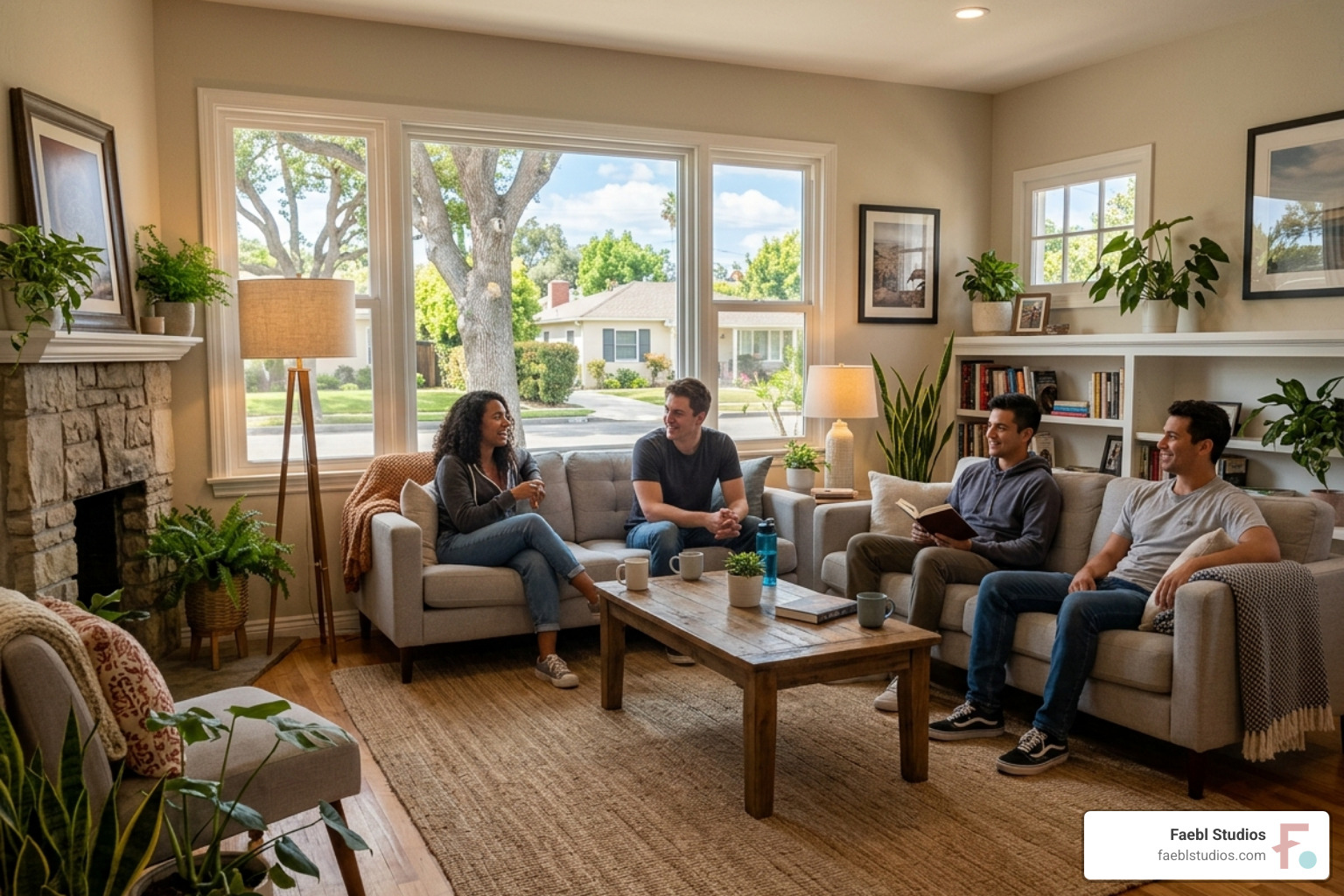
Think of these homes as a bridge. Most people leaving a residential treatment center feel like they have been living in a bubble. It is safe, but it isn’t the real world. Moving from a highly supervised facility straight back to an empty apartment or a stressful family situation is usually where things fall apart. Sober living offers a middle ground. You go to work and see friends, but you come home to people who understand why a random Tuesday can feel impossible. There is a specific kind of strength that comes from a shared living room where everyone understands the struggle.
These homes rely on structure to help retrain the brain. It isn’t just about rules. It is about finding comfort in stability. If you want to see how these places are run behind the scenes, you can check out this How to Start a Sober Living Home: A Comprehensive Guide. Accountability is what makes this work. In Encino, you will usually find curfews and mandatory peer support meetings. Facilities like Reflections Recovery | Sober Living use a 12-step approach combined with regular screenings. These aren’t meant to catch you doing something wrong. They are tools to help you prove to yourself that you are staying on track. You will be expected to keep a job, help with chores, and show up for house meetings. It is about learning how to be responsible for yourself and the people you live with.
A good house manager can make a huge difference too. The best ones are not there to play cop all day. They set the tone, keep the house calm, and know when someone is quietly slipping before it turns into a full crisis. That matters more than people expect. Early recovery is often less about big dramatic moments and more about small decisions stacked on top of each other. Get up on time. Make your bed. Go to the meeting even when you feel irritated and want to hide in your room. Boring? Absolutely. Effective? Also yes.
The environment matters too. Encino is full of beautiful residential streets, so many of these homes are actually converted luxury estates. Having a comfortable place to live helps your mental health. When you aren’t stressed about your living conditions, you can focus on the internal work. Many Find the Best Sober Living Homes in Encino, CA listings feature things like private rooms, gyms, and pools. Being near Ventura Boulevard is also a huge plus. You can walk to a coffee shop or a grocery store, which builds a sense of autonomy that is vital in early sobriety.
Comfort does not have to mean flashy. Sometimes it is as simple as clean laundry, decent WiFi, a kitchen you actually want to cook in, and enough quiet to get through a hard evening without spiraling. Those details sound minor until you have lived somewhere chaotic. Then they feel enormous. A stable place gives people room to practice ordinary life again, which is really the whole point. Sober living is not meant to freeze you in recovery mode forever. It is supposed to help you build routines sturdy enough to carry into the next chapter.
Navigating the Costs and Logistics of Recovery
Money is always part of the conversation. The cost for these homes can range from $500 for a shared room to over $5,000 for a high-end estate. When you look at Best Sober Living in Encino (With Pricing) – Recovery.com, keep in mind that insurance rarely covers the rent. It usually pays for clinical services like therapy, but housing is typically an out-of-pocket cost. Some places offer sliding scales or scholarships. If you need a different setup, you might look into What is a Three Quarter House? A Comprehensive Guide. Most people stay for six months to a year. It isn’t a race. You stay until you feel steady enough to leave for good.
The practical side matters just as much as the monthly rate. Ask what is included before you assume a lower price is the better deal. Some homes bundle utilities, transportation help, house supplies, and recovery support into one fee. Others charge separately for almost everything, which can turn a supposedly cheap option into a budget headache fast. If you are trying to compare places, look at the full monthly picture: rent, deposits, food, transportation, outpatient care, and whatever you still need to cover for work, school, or child support.
It also helps to think about timing. A person coming out of detox or residential treatment may not have steady income yet, and that can make the first month the hardest one financially. This is where family support, savings, scholarships, or a short-term payment plan can make the difference between a solid transition and going back to an unstable environment too soon. Some homes will work with residents who are job hunting, as long as there is a real plan and consistent follow-through. Others want proof of income upfront. Neither approach is automatically wrong. You just want to know the expectation before move-in day, not while standing in the driveway with a duffel bag.
Length of stay is another area where people get tripped up. Three months can help someone catch their breath, but it is often not enough time to rebuild finances, habits, relationships, and self-trust all at once. Six to twelve months is common because recovery usually moves slower than ambition does. People want to feel “back to normal” by next Tuesday. Recovery has other ideas. A longer stay can give someone time to settle into work, repair credit, save money, and practice life without the constant pressure of doing it perfectly on the first try.
Specialized Support and Luxury Environments
Encino has specialized options that are hard to find elsewhere. Gender-specific housing is common here. Places like Heka House offer dedicated spaces for women, which is important for those dealing with trauma. Some boutique facilities keep things small to ensure everyone gets enough attention. New Spirit Recovery usually has fewer than a dozen beds, which allows for a lot of one-on-one support. If you are looking for Luxury healing in the hills of California, you will find gated properties with meditation gardens and holistic care. Some programs even focus on neuroplasticity to help clients regulate their emotions better. For those looking to open a facility, our guide on How to Start a Sober Living Home in California explains the licensing requirements needed to stay compliant.
That range matters because recovery is not one-size-fits-all, no matter how often people pretend it is. Someone with a long work history and strong family support may do fine in a straightforward shared house with basic rules and a solid peer culture. Someone else may need a quieter setting, more staff attention, trauma-informed support, or a women-only environment where they can exhale for the first time in months. The right fit is not about picking the fanciest address. It is about matching the level of structure and support to what a person actually needs.
Luxury settings can help, but they are not magic. A pool, private chef, or view of the hills will not keep someone sober on its own. Still, comfort can lower stress, and lower stress can make it easier to stay engaged with recovery work. That is the part people sometimes dismiss too quickly. If a peaceful environment helps someone sleep better, think more clearly, and stop living in fight-or-flight mode, that is not fluff. That is useful. The trick is making sure the nice setting comes with real accountability, experienced staff, and a culture that does not confuse amenities with progress.
Small homes can also be a good fit for people who get overwhelmed in bigger group settings. In a house with six to twelve residents, it is harder to disappear. People notice if you skip dinner, avoid meetings, or start isolating. That can feel annoying at first. It can also be exactly what keeps a rough week from turning into a relapse. Specialized support works best when it feels personal, grounded, and consistent, not performative or overly polished.
Reintegrating into the Encino Community
The goal of any sober living home is to become an alumnus. You want to get back to being a functioning, happy member of society. Encino is a great place for this because the local economy is diverse. Many homes provide active employment assistance like resume building or connections to local businesses. Socializing is just as important as finding a job. Learning how to have fun without a drink or a drug is a skill. Residents often take advantage of local spots like Los Encinos State Historic Park for group hikes. Building these sober muscles in a supportive community makes the transition feel like a new beginning rather than a chore.
A lot of recovery is really about relearning ordinary life. That sounds almost too simple, but it is not. Getting to an interview on time. Grocery shopping with a budget. Sitting through family dinner without feeling like you need to escape your own skin. These are the moments where sober living can quietly do its best work. Homes that help with transportation coordination, job leads, and life-skills coaching are doing more than filling a bed. They are helping residents build a routine that does not collapse the minute supervision fades.
Encino makes that process a little easier because it is active without being too chaotic. There are jobs in healthcare, retail, hospitality, and nearby professional offices. There are coffee shops where you can work on a resume, parks where people meet up for walks, and enough day-to-day movement that residents can practice being part of the world again. That matters. Reintegration is less intimidating when you can take it in manageable pieces instead of jumping straight into the deep end.
Social reintegration deserves more respect than it usually gets. People know they need meetings and employment. They do not always realize they also need sober fun, boring weekends, awkward small talk, and a few friends who understand why leaving a party early is sometimes the smartest move in the room. In good homes, residents build that muscle together. They learn how to fill time, handle stress, and create a life that does not orbit around substances. It is not glamorous work, but it is the kind that lasts.
Common Questions About Local Recovery
Choosing a home is a big decision, and it helps to ask the right questions when you visit. You will want to know about their visitor policies, if they allow laptops for work, and what their policy is if someone relapses. Most reputable homes in Encino follow strict guidelines even if state regulation is a bit of a gray area. People often ask how long they should stay. Three months is usually the minimum to get settled, but six to nine months is more common. It depends on your own confidence and support system. Insurance coverage is another frequent question. While it rarely covers the room and board, it often covers the intensive outpatient programs you might attend while living there. There are also plenty of gender-specific options like Heka House that focus on peer safety and specialized support, which can remove a lot of the social pressure found in early recovery.
When touring a place, pay attention to the feel of it as much as the answers. Is the house clean but lived in, or does it feel chaotic? Do residents seem checked in, or does everyone look like they are hiding in their rooms waiting for curfew? Ask who handles medication monitoring, how random drug testing works, and whether there is a clear process for conflict between residents. A house does not need to be fancy to be well run. It does need consistency. Early sobriety is hard enough without mystery rules and shifting expectations.
Cell phone and laptop policies are worth asking about too, especially for people balancing work or school. Some homes are flexible as long as devices are used responsibly. Others limit access early on to reduce distraction and drama, which, to be fair, is not always a terrible idea. Visitor policies matter for the same reason. Friends, family, and dating can all affect recovery in ways that are either stabilizing or completely exhausting. A good home has thought this through and can explain its rules without sounding evasive.
People also want to know what happens if someone relapses. That answer tells you a lot about a house. Some homes have a strict zero-tolerance approach and require immediate discharge. Others evaluate the situation, increase support, or refer the resident back to a higher level of care if needed. What matters most is that the policy is clear, enforced fairly, and designed to protect the rest of the house. No one needs a sugar-coated answer here. Honest expectations are more helpful than false reassurance.
If you are comparing options, keep a short list of practical questions with you:
- What is included in the monthly fee?
- Are there minimum stay requirements or deposits?
- How are chores, curfews, and meeting attendance handled?
- Can residents work, attend school, and keep personal devices?
- What support is offered if someone is struggling or relapses?
Those questions will not tell you everything, but they usually reveal whether a home is genuinely structured or just good at sounding that way online.
Scaling Your Impact in the Recovery Space
At Faebl Studios, we have watched the recovery landscape in California change over the years. For a center to help people, it has to be visible and sustainable. We help facilities reach the clients who need them most. If you run a center in the San Fernando Valley, we can look at your outreach strategy and find ways to improve it. We offer a free audit to see where you can grow. Whether you need More info about SEO services for recovery centers or a new digital strategy, we are here to help you support more lives. The Encino recovery community is strong, and we want to help you make a bigger impact.